Rhys Lewis’ Story

Rhys Lewis just graduated from the 6th grade at Palm Glades Preparatory Academy.  He enjoys joking around with family and friends, playing football and video games.  He is candidly honest and has an amazing since of humor!

Rhys and his family moved from Texas to Miami when the pandemic started in 2020.  With little to no contact with friends back in Texas, starting over and adapting to the culture in South Florida has proven to be difficult at times for Rhys. He has even experienced being bullied because of his size and the color of his skin. Fortunately, he gained many new friends when he joined the Be Strong After School Club (BSASC).

Through BSASC, Rhys has discovered a passion for photography and is even learning to cook, thanks to our Chef, Vanessa Garcia.  These new skills should come in very handy, given that he has a big family, with 10 siblings!  Lots of moments to capture and mouths to feed!

Rhys dreams of one day playing football in the NFL! He is incredibly gifted in the sport, both as a receiver and running back.  

Through the Heart Skills curriculum offered at the Be Strong After School Club, Rhys has learned to show compassion, empathy, and patience towards others.  At his young age, these skills have helped him to gain new friendships and strength his confidence.

There is more to Rhys than humor and athletics. He is also an A student in the classroom.  He is well above his grade level in Mathematics. He credits some of that success to the BSASC certified teachers, especially Ms. Brown, who always encourages him to work beyond the assigned lessons in the online program, SuccessMaker® Math.  

Rhys has a bright future, and we hope to be a small part of it by giving him, and all the kids at the Be Strong After School Club, not just a place to hang out…but a safe environment where they can have fun, learn, grow, and build long-lasting memories.

At a time when young people face so many negative influences just as they’re trying to figure out who they are and where they belong, the Be Strong After School Club offers a safe, positive environment. This unique enrichment program, that keeps them off the streets after school schedule is done, guides middle school students’ emotional, mental, physical, spiritual, and social development. It helps them build social skills and develop both academically and creatively through the arts.

Joel Rodriguez, a former BSASC participant, found was just looking for friends and fun when he joined the After School Club as a student at Richmond Heights Middle School in Miami. He found those things and more – so much more, he became a volunteer with the program. Now 14, he attends Coral Reef High School in Miami. He loves playing basketball and football, spending time with his family and helping the students and teachers at the After School Club.

“They have been supportive. The teachers come to my games. They always encourage us to follow our dreams, to never give up, don’t quit and that we always have an open door to come back.”

A student-athlete at Coral Reef, Joel hopes to be a professional basketball player. He believes Be Strong can help him make that dream come true.


Shakilah Elain Woodside loves hanging out and “being goofy” with her friends. She is proud of the medals she has won for shot-putting in track and field, “and I absolutely love hugs!” she adds happily. Shakilah, 12, is a seventh grader at Richmond Heights Middle School in Miami. She has a lot of happiness in her life, and her family is one of the brightest parts. She carries a photograph of her mother wherever she goes. But before she began attending the esteem-building program at Be Strong International, she faced many challenges.

“Growing up, I’ve witnessed and experienced bullying, which really hurts my heart,” she says. “It has made me create a tough exterior to not only stand up for myself but for others as well. I spend a lot of time with my younger cousin, which I try to be a good role model to and that’s where Be Strong comes in.”

Shakilah joined Be Strong After School Club after a friend invited her to visit. “They are amazing!” she says. “I was overwhelmed by the support the adults and mentors provide us daily and love the super fun field trip. Be Strong has even showed up to support our schools’ sports programs when they play on campus. Be Strong has changed my life by helping me bring out the best in myself whether in the classroom, on the field, or around others. I am free to be who I am, unapologetically. Be Strong After School Club is a safe place to learn, grow and thrive.”

Shakilah praises the wide range of classes and activities at Be Strong After School Club, located at Richmond Heights, Palm Glades Preparatory Academy in Miami, and now at Miramar Multiplex in Miramar, Florida. “I heard a lot of good things about Be Strong, and that’s why I decided to join. Now, I can be one of those good things too. Be Strong has helped me visualize my future even clearer,” Shakilah says. “I see myself attending college and doing Track and Field while uplifting others in the process.” One of the great lessons she learned at Be Strong After School Club comes from Mrs. Vanessa, who teaches culinary arts, “You don’t have to do anything special to be special.”

It’s a great thing when people want to make a difference in their communities. Whether you live in South Florida or are new to the community, having an interest in its well-being and the lives of the fellow residents can be an amazing experience. It will enrich your life, familiarize you with your community, and connect you to people and ideas that can positively impact your perspective for the rest of your life.

Additionally, helping your community is an opportunity for you to grow as a person, and to better understand how you fit into the world around you. Furthermore, in South Florida, there are many ways you can make a difference in the community. You can shop locally, volunteer your time, donate (clothes, food, or money), become a mentor, etc. The list is endless but find a cause you are passionate about.

For instance, helping the people in the community.

Helping the People in Your Community

Without a doubt, volunteering is a wonderful opportunity to help the people in your community. Volunteers play an integral part in the community. Without volunteers, many of the services and events that we need and enjoy in our communities would not be so readily available. Giving back to the place you call home helps to unite the community and bridge some of the social, economic, and political gaps.

Your South Florida community is made up of many different families; some of whom need support. These families face challenges such as homelessness, poverty, behavioral problems with youth, and family problems such as; single-parent homes, parenting issues, child neglect, and abuse. Reaching out and volunteering your time and resources (food, clothes, money) to community organizations and/or services geared towards helping those in situations such as these go a long way to making a difference in their lives.

An organization that’s spearheading the cause of bettering the lives of South Florida families and youth is Be Strong International. Be Strong is a non-profit organization which provides services and resources to build healthy parent-child relationships and go from brokenness to wholeness.

Let’s talk about the broken families in South Florida communities and how you can make a difference in their lives.

From Brokenness to Wholeness

Volunteering provides a great way to get to know your community and its citizens. Additionally, it will help you to better understand the circumstances of other members of your community. Having a broad, open-minded perspective of the different walks of life around you will help you to be an effective and empathetic citizen.

There are people and youth in South Florida who come from broken families –– divorced parents, single parents. This is a social issue that has too often been ignored in the communities and unfortunately creates generational patterns. Parents and children of broken families often experience financial and economic hardships, mental health issues, lack of educational resources, marital issues, etc.

According to a report by the Heritage Foundation, broken families tend to earn less and experience lower levels of educational achievement. Consequently, they pass the prospect of meager incomes and family instability on to their children, ensuring a continuing if not expanding cycle of economic distress. Fortunately, the federal government and states and local communities can play important roles in changing this culture to ensure that all children reach their full income potential.

This is where you can begin to make a difference. Donating your time to support those around you is extremely beneficial, both for you and your community. It has been statistically proven that people who volunteer regularly are healthier both physically and mentally.

Helping organizations within your community that support these broken families –– becoming a mentor, volunteering your time, donating money, food, and clothes –– can change the economic trajectory and future of these families. Going from brokenness to wholeness.

Be Strong International

There are so many important causes out there that always need volunteers to support the work they’re doing. As mentioned previously, Be Strong International is a non-profit organization that’s on mission to help South Florida parents and youth go from brokenness to wholeness –– And you can be a part of it.

Be Strong offers resources to help parents and youth develop and maintain healthy relationships with each other and with those they interact with outside the family. They have Parent education programs and marriage workshops for couples. Teens and adolescents can participate in fun groups that focus on character development, healthy peer relationships, and other topics of concern.

Be Strong has served 230,000 South Florida community members, students, and parents, including:

  • 5,175 parents trained annually on healthy communication
  • 7,684 middle and high school students taught in 2020/2021
  • 5,000 families fed through the Be Strong & Project P.E.A.C.E monthly food drive

Be Strong’s holistic educational services follow the principles established by education pioneer Maria Montessori, who believed that learning is affected by emotions and social relationships. Students learn most effectively when their whole self is considered – from their physical health to their emotional stability. A child who’s hungry or whose home life is unstable cannot learn as effectively as one whose basic needs are being met. They must also trust their teacher. It’s this holistic perspective that is the foundation of Be Strong’s programs.

Be Strong’s programs include:

Project H.O.P.E.

Most teens and young adults want to make the right choice when faced with temptations like drugs and risky sexual behavior, but they don’t know how. Project H.O.P.E. is an interactive workshop that helps them make the right decisions. Middle and high school students learn to make informed decisions about healthy relationships, character development, careers, and financial literacy. The program uses real-life situations to better prepare participants for facing them when they come up.

Marriage Matters

It really is possible to have an easy marriage if both partners respect each other and communicate in a healthy, positive manner. Marriage Matters helps couples learn to do just that with relationship counseling and marriage seminars that aim to resolve or prevent marriage problems. Marriage is about giving to each other. When couples focus on this principle, all other aspects tend to emerge or improve marriage relationships.

Raising the B.A.R. Parenting Alliance

Raising the B.A.R. is a parenting education program for caregivers that teaches evidence-based strategies for raising happy, healthy children. It’s offered through The Children’s Trust, which supports programs that improve the lives of children and families. The program helps families develop and maintain healthy relationships. Topics include:

  • Positive Parenting
  • Raising Confident, Competent Children;
  • Raising Resilient Children;
  • Raising Responsible Teenagers;
  • Raising Competent Teenagers,
  • and Getting Teenagers Connected.

How You Can Help Be Strong

Here’s how you can help Be Strong and make a difference in your South Florida community. Be Strong has two great ways you can help bring South Florida families from brokenness to wholeness:

Donate

Help Be Strong reach its goal of raising $300,000 in its 30th year. Click here to make a one-time or recurring gift.

Volunteer

Even if you only donate a few hours of time each month, you will be making a huge difference in the lives of your community members who are in need. Click here to Volunteer!

Volunteers are needed to:

  • Assist during community events (e.g., handing out food boxes).
  • Prepare care packages.
  • Register candidates for sessions.
  • Help with other areas.

For more information on joining Be Strong’s amazing Volunteer Team, contact the Volunteer Coordinator directly at 305-969-7829.

After-school clubs have played an integral role in childhood for many years now. The last school bell rings and then we freely dash off to our after-school club or activity. In fact, in the beginning, it was just a means to supervise children while parents were still at work, but now it has evolved into so much more. As a result, it has become the norm and parents want to know what to look for in choosing the best after-school clubs for kids today.

Here are some key elements that should be considered in the decision-making process:

– Staff
– Environment
– Programs
– Self Development
– Relationships

Together, these elements will help in narrowing down your selection of clubs and activities and provide the assurance that you and your child need when choosing the best after-school club. Let’s dive in and take a closer look at each.

Programs

After-school clubs cover a wide range of activities and interests such as sports, hobbies, academics, etc. The school day accounts for the academic enrichment of your child, while after-school clubs provide more transformative experiences. Moreover, after-school programs can have a positive impact on a child’s emotional and social development. Children who participate in a variety of activities can improve their skill level, gain confidence, build healthy friendships, and discover new areas of interest.

Keep in mind that what may appeal to you on the list of clubs may not appeal to your child.

While you want to expose your child to new experiences, you also want to be mindful of who your child is; according to Roseanne Lesack, a licensed psychologist and the director of a child psychology clinic at Nova Southern University in Florida. You must ask yourself what do you want your child to get out of the program? Will it appeal to them? (Care.com) After-school clubs should not only benefit you as the parent but should also support your child’s interests and development.

After-school clubs can help to engage children in activities that will develop their academic, social, emotional, and professional skills — as well as teach your child to be independent. Having a well-established routine builds confidence, familiarity, and independence in children.

Research has shown that children who participate in a quality after-school program are more likely to attend and stay in school. They complete their homework on time and achieve higher grades. (WashingtonPost.com) In general, as a parent, you will applaud the effort made to encourage and motivate children to “get off social media and video games” and into clubs that expose them to activities they might not otherwise experience.

The activities that children and youth participate in outside of school hours are crucial to their overall development, placing a strong emphasis on the need for good after-school programs in every community. After-school programs are now in high demand, with almost 10.2 million children and youth participating in an after-school program each year, with 10 million attending summer camps and 6 million participating in programs from grade 4 up to high school. (Youth.gov)

Staff

When looking for the best after-school club for your child, look for one that has a great staff. You want to know that the staff at your child’s club not only enriches his or her life but is also trustworthy to look after him or her. Great staff will also hold your child accountable in the completion of activities or studies with adequate follow-through. You want somebody you can rely on to keep your child on track. Communication is essential in after-school staff-parent connections. Reports on a child’s progress and development may be given to parents by staff.

After-school staff and educators carefully arrange these programs to guarantee that children return. The best after-school programs recognize that schools alone cannot educate and care for our children but that their success is a collaborative effort with the schools and teachers to achieve this goal and produce activities that enhance and complement, but do not replicate, the school day.

Environment

Working families, single-parent families, and businesses alike, all benefit from after-school programs that provide a safe environment for children while they are still at work. The best after-school clubs will provide a caring and safe environment for kids. And participation in an after-school program results in increased adult supervision, which helps children feel safer and minimizes instances of being left unaccompanied with peers outside of school and engaging in risky behaviors.

A safe atmosphere is a key feature to look for in the best after-school programs. You want to make sure that your child is secure between the time that the last school bell rings and parents arrive home from work. You know where they will be, and you will have the necessary contact information in case you need to get a hold of them. There is no possibility of them leaving school unattended or unaccounted for if they have a scheduled activity to go to. (PikMyKid.com) Activities are supervised and organized allowing children to be monitored.

Relationships

An after-school club allows your child to meet new people and build new friendships. Being away from school might even provide a reprieve from the normal cliques or social pressures. Relationships both within and outside of school are critical to your child’s mental well-being. The best after-school clubs can develop your child’s interaction with their teacher or staff members.

Participating in an after-school program may help a kid learn how to communicate with others, build interpersonal skills, and learn how to be respectful to others.

The programs can help foster the development of positive character traits and teamwork. A solid relationship between the child and teacher or staff member will help them feel more at ease. Being able to trust adult figures at school makes the child more confident. The ability to trust adult figures in school encourages children to raise inquiries and share concerns. Opening this communication between a kid and a trusted adult has saved many from having to cope with difficulties such as bullying, poor self-esteem, or family problems on their own.

Self-Development

Many children battle with confidence, especially in their pre-teen and adolescent years. Participating in after-school programs with their peers encourages them to establish and sustain relationships. Some of a child’s best pals are developed during their elementary and middle school years. Getting out and participating in activities while also connecting with peers is a terrific way to build self-esteem in children and a great way to spend time.

There are also chances for kids to become leaders in their respective clubs or activity. Your child will develop a more active voice if they have solid communication skills and are assertive. According to a Boys and Girls Club survey, 82% of children in their program have participated in leadership roles such as student council, overseeing activities or aiding in the office. (Youth.gov) Many of the kids who participate in after-school clubs and extracurricular activities are preparing for a future that will set them apart.

What to Look In The Best After-School Club For Kids Today

Be Strong After-School Program

Now that we’ve discussed the key elements in choosing the best after-school club for your child, let’s introduce one.

Be Strong International is a non-profit organization based in Miami-Dade County with a mission to guide individuals and families from brokenness to wholeness through the use of educational services and resources that help them develop and maintain healthy relationships. Be Strong has a strong devotion to youth and parents in the communities and provides several programs that cater to them. Their program, the After-School Club, aims to guide middle school children through the integration of holistic enrichment activities such as arts, academic support, and a unique curriculum that meets their social, emotional, mental, spiritual, and physical needs. This club embodies all the important qualifications in your search for the best after-school club. The program includes:

– Academic Assistance by Certified Teachers
– Photography Classes
– Cooking Classes
– Dance Classes
– Heart Skills
– Field Trips
– Healthy Snacks
– Prizes
– Parent-Student Engagement Events
– End of Year Showcase
– And More!

For more information click here Be Strong’s After-School Club.  You will find a wealth of information about this program and others.

While you are here, be sure to check out Be Strong’s parenting programs that are aimed at helping to build healthy and strong parent-child relationships, whether you’re a single parent or a unit.

Be Strong International is always looking for volunteers to help lead the next generation and make a difference in their communities. Be a world changer click here to contact us for more information on becoming a volunteer.

Honest communication is one of the secrets to a successful marriage, as any relationship expert will tell you. The advice is based on serious research, including the finding that happy couples communicate in a positive way. It only makes sense. You can’t expect to spend the rest of your life with someone if you can’t talk openly and honestly with them. To live as your authentic self and build a healthy marriage, you must be able to express your true feelings and beliefs, especially when they affect your partner. When problems arise, you must be able to start a conversation and say what’s on your mind so you can work out the issue together.

Knowing that is the easy part. How do you begin? There are some healthy ways to start a difficult conversation with your spouse. First, let’s explore why communication is critical to a strong marriage.

Why Communication Matters

According to a study published by the National Institutes of Health, communication is an essential factor in a married couple’s satisfaction with their relationship. Those who communicate in positive ways tend to be more satisfied with their marriage, according to the study’s authors.

Catherine Aponte, Psy.D., explores communication and other relationship matters in the book A Marriage of Equals: How to Achieve Balance in a Committed Relationship. She also writes the Marriage of Equals blog at Psychology Today. Aponte says open communication between spouses “is not a debate between partners’ preconceived notions about what is going on between the two of you . . . (but) is about [spouses] collaborating with each other by sharing perceptions, feeling, ideas, and thoughts so that they can come to an understanding of what is happening between them—what their joint reality is.”

Aponte offers five reasons communication is good for a marriage:

     It keeps you close to each other.

Couples drift away from each because they’ve stopped talking and sharing their ideas and opinions. Sharing openly can bring the two partners together.

     It makes everything clear.

Many disagreements and conflicts happen because one partner assumes they know what the other is thinking or feeling. They could be wrong. But they’ll never know if you don’t tell them what’s really going on.

     It helps you grow as a couple.

Talking with your spouse and sharing what you’re going through will help you grow together in your relationship. When you have nothing to say to each other, you can grow bored and uninterested.

     You’re more likely to be faithful.

Isolation creates fertile ground for infidelity. When you don’t talk to each other, it’s easy to forget why you were attracted to each other, and without sharing your thoughts, it’s hard to bring back those memories.

     Communication prevents divorce.

Lack of communication is the most common reason for divorce, Aponte points out. No wonder – if you aren’t sharing anything and you have nothing in common anymore, why stay together?

“When two individuals come together in marriage, they are committing to creating a life together,” Aponte writes. “But they are, after all, two separate individuals with their own likes and dislikes, values, beliefs, and ideas.” They have to share those ideas for the other person to understand them.


Types of Communication in Marriage

You can start improving your marriage relationship by understanding the three ways we communicate. Many marital issues arise because couples don’t realize the impact of these types.

     Speaking with Your Words

You might think this is the most straightforward form of communication, but it’s not as simple as it seems – especially when it comes to speaking up about a problem. In fact, when marriage problems occur, your spouse may even deny they exist. So to stay alert to marital issues, you must be in tune with the two forms of non-verbal communication.

     Speaking with Your Body

Body language is a crucial indicator of what someone is thinking or feeling. The way someone stands, how their body reacts when speaking or listening to you, and whether they make eye contact with you are powerful clues to what they’re really thinking. If you ask your spouse a question and they avoid your gaze or turn away when answering, for instance, it could mean they’re not being truthful. Learning to translate your spouse’s body language can help you build a strong marriage.

     Speaking with Your Actions

That old cliché is true: Actions speak louder than words, and you should pay close attention to the clues your spouse is sending you with their actions. A spouse who gives you little gifts when it’s not your birthday, who takes over household chores you hate, or gives you time with your friends is saying “I love you” without saying the words. A spouse who doesn’t keep their promises or isn’t there when you need them is saying something else. It could be time for marriage counseling.

Getting Professional Help

There’s nothing wrong with seeking outside help to heal your marriage problems. The American Association for Marriage and Family Therapy (AAMFT) has found a high rate of success for couples who use marriage counseling to improve their relationship. A great place to start is with the AAMFT’s Therapist Locator. If you have health insurance, you may be able to get help at little to no cost to you.

Even if you decide to seek professional marriage counseling, there are some strategies you can use now to develop your communication skills with your spouse and make your marriage stronger.


Top 7 Tips to Start a Difficult Conversation with Your Spouse

The best way to fix a problem is to acknowledge that it’s happening. But both you and your spouse must agree on what the marriage problems are before you can start working on them. That means having a difficult conversation. Here’s how to proceed:

    1. Plan what you want to say.

Don’t plan to “wing it” or improvise. What exactly is the problem, as you see it? Why is it a problem? These are questions your spouse is likely to ask, and you need to have an answer. But it will also help you to clarify the situation for yourself. Write down your thoughts, if possible, but don’t read them during the actual conversation. You need to speak from your heart, not from your notes.

     2. Pick the right time.

If you have children, choose a time when they’re not around or are occupied in another room so you can focus on your spouse and the issues you’re discussing. Avoid talking after the kids are in bed, however; getting them to sleep is sometimes a stressful experience, and you should both be in a relaxed frame of mind.

     3. Use positive body language.

Remember the importance of non-verbal communication. Pay attention to how your spouse’s body is receiving your words but be mindful of your own unspoken words too. Keep your arms at your sides. Be sure to look your spouse directly in the eye and keep your expression friendly and welcoming; you don’t have to smile if you’re not feeling happy but try not to scowl.

     4. Respectfully acknowledge your spouse’s point of view.

You can disagree with your spouse, but don’t dismiss their point of view without considering it and acknowledging they have a right to it. Ask them to explain their opinion and keep an open mind. You might find you agree with them once you understand why they feel that way.

     5. Listen at least as much as you speak.

To understand someone else’s point of view, you have to listen to what it is. Don’t let your assumptions color the way you speak about the situation. Ask questions and, more importantly, listen to the answers.

     6. Thank your spouse.

Start the conversation by thanking them for being willing to talk and thank them again at the end. Showing that you appreciate their time and believe in the need for effective communication will go a long way toward resolving your marriage problems. Often, just making an effort and confronting a problem is enough to improve your relationship. (It’s just the first step, of course.)

     7. Don’t expect change right away.

Be patient. Your first conversation about marital issues should not be about “fixing” a problem but should focus instead on recognizing the problem and agreeing to come together to fix it. Of course, some issues will have obvious solutions, but if you don’t arrive at one, you should feel good that you’ve taken the first step to solving it. For now, success need only mean deciding to work on the marriage problem together – and agreeing to keep talking about it.

Be Strong International’s Marriage Matters Program

Free help is available through Be Strong International’s Marriage Matters program, an eight-week series of workshops and seminars that help participating couples develop and maintain healthy relationships. Communication skills – both speaking and listening – are one of the program’s primary focus areas. Its evidence-based curriculum offers the best marriage advice available. And it’s fun – activities include a date night midway through the program, and the series ends with a meaningful graduation ceremony.

For more information on our program, visit our Marriage Matters Program on BeStrongIntl.org.

To contact us or register for our online-based Marriage Matters classes, click here.

What does it mean to have empathy? Empathy is the ability to imagine oneself in the situation of another, experiencing the emotions, ideas, or opinions of that person. In other words, putting yourself in someone else’s shoes — Understanding and feeling what the other person is going through without judgment or persecution. The current events of today, many times show a lack of empathy toward one another. Here we will discuss some tools you can use to help create empathy both for yourself and with the people around you.


Empathy is essential for building sound relationships at work and in your personal life. A person who lacks empathy is thought to be cold and self-absorbed. Empathy, on the other hand, is associated with warmth and caring. Empathy is partly innate and partly learned, according to research, but it can be improved by everyone. Here are a few ways to strengthen and encourage empathy. 

Ways to strengthen and encourage your empathy:

  • Challenge yourself
  • Get out of your usual environment
  • Get feedback 
  • Explore the heart, not just the head
  • Walk in others’ shoes
  • Examine your biases
  • Cultivate your sense of curiosity
  • Ask better questions

Relationships

Empathy not only allows you to understand others—it can also give you the motivation you need to make a difference. It can help with building relationships and communication with others. Whether that means consoling a friend, buying a small gift for someone who needs it, understanding other people’s cultures, or donating to causes, such as helping natural disaster victims, empathy becomes effective when you use it as motivation to do something about the problem.

When you see someone else going through a hard time, be sure to listen and share, but also clearly identify what you can do to help. The follow-through on empathy means initiating positive change for others. The beautiful thing about empathy is that when others begin to flourish, it improves your own life as well.

tools for creating social empathy be strong international non profit

Social 

Empathy is a powerful force that helps maintain social order and cooperation. It is the mechanism that allows people to understand and relate to others. Empathy is a necessary precursor to intimacy, trust, and belonging. It is also the feeling that makes it difficult to turn a blind eye to the suffering of others. 

There are many benefits of being able to experience empathy:

  • Empathy allows people to build social connections with others. By understanding what people are thinking and feeling, people can respond appropriately in social situations. Research has shown that having social connections is important for both physical and psychological well-being.
  • Empathizing with others helps you learn to regulate your own emotions. Emotional regulation is important in that it allows you to manage what you are feeling, even in times of great stress, without becoming overwhelmed.
  • Empathy promotes helping behaviors. Not only are you more likely to engage in helpful behaviors when you feel empathy for other people, but other people are also more likely to help you when they experience empathy. 

Empathic people experience many happiness benefits. Empathy often encourages altruistic behavior, and empathy-based kindness has been shown to increase cooperation and forgiveness, strengthen relationships, decrease aggression and judgment, and even improve mental and physical health. 

Not everyone experiences empathy in every situation. Some people may be more naturally empathetic in general, but people also tend to feel more empathetic towards some people and less so towards others.

Some of the different factors that play a role in this tendency include:

  • How people perceive the other person
  • How people attribute the other individual’s behaviors
  • What people blame for the other person’s predicament
  • Past experiences and expectations

Despite all the different factors that may affect one’s empathy level, there are many ways and many opportunities to improve it. It’s never too late to learn and change and become more empathetic to the people and circumstances around you — and just become an all-around positive person.

Social Yaks, the new social empathy card game!

If you are looking for a great way to help increase engagement among individuals and build social cohesion within communities, look no further than Social Yaks!

Social Yaks is a unique relationship-building card game created by Be Strong International, used to bring together people to build understanding and social empathy among each other. Social Yaks is great for all kinds of groups, from strangers to best friends, families, couples, or co-workers, because there’s always something new to learn about each other.

Real feelings, real connections, real fun!

Social Yaks is a card game that breaks the ice and inspires understanding! From light conversation-starters to questions that dig deeper, each level pushes players to show insight and share feelings, experiences, and memories. The result is a whole lot of empathy, connection, and genuine laughter. You’ll be amazed where each level can take your group!

To know more about Social Yaks click here or if you would like to purchase the game click here, go to our shop section and we will deliver it to you!

Get ready to laugh, cry and connect!

WARNING: THIS GAME HAS BEEN SHOWN TO INCREASE EMPATHY TOWARDS OTHERS. SOME USERS MAY CRY.

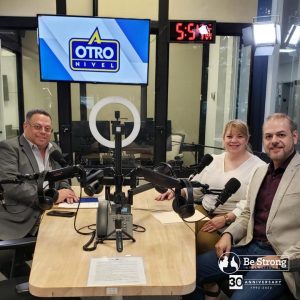
Monika Sánchez, Gerente Senior de Comunicaciones y Oscar Díaz, Gerente de Casos, compartieron acerca de la labor que realiza Be Strong International para ayudar a la comunidad del sur de Florida y en particular, sobre su programa Marriage Matters. Vea cómo Oscar explica cómo el programa de Marriage Matters ayuda a parejas casadas mejorar sus matrimonios enseñandoles habilidades de comunicación efectiva, prácticas de manejo del estrés, educación financiera y mucho más! ❤️

El programa de Marriage Matters, junto todos los programas de Be Strong International, es completamente gratis! Visita el enlace en nuestra biografía para obtener más información! 👆

Agradecemos la gentileza de Doral Voice y su presidente Juan Carlos Esquivel, por abrirnos las puertas y ayudarnos a expandir la voz sobre los servicios que ofrecemos de manera gratuita a la comunidad! 🙏

Para mayor información sobre el programa Marriage Matters, visite la página del programa aquí.


Once, you and your child felt like best friends. You played together, laughed together, shared sports or hobbies together. They seemed to look up to you, often bringing their friends to the house.

Then, you suddenly became the enemy. What happened?
Your child became a teenager, that’s what.

Starting around age 13 – but often sooner – children begin growing into adulthood by pulling away from their parents. Unfortunately, this sometimes seems to take the form of outright rejection of everything they once loved about your family.

It doesn’t have to be that harsh. When you understand why your teen is pulling away, you can take steps to build a healthy parent-child relationship even when your child is a teenager.

It’s Normal to Have Conflicts with Your Teen

First, understand that it’s normal for teens to go their own way without you. Even in healthy relationships, these can be rough years. In fact, it’s really a sign of a good parent-child relationship when the child pulls away, and the parent lets them find their new place in the world.

Think of this as your teen’s practice for adulthood. One day they will really be on their own. If they haven’t had any experience with independence, their natural development will be delayed.
But this doesn’t mean they don’t need you as a parent; they need you even more. They will make mistakes and fail; they will make bad decisions. You must be there to help them learn and hope they don’t repeat them.

It’s a delicate balance; being there for your child but still letting them make mistakes and learn for themselves. You’ll get through it more successfully if you remember that your child is not being defiant just to be defiant. At the same time, you cannot make your role in the parent and child relationship be about power. The days are over when you could tell your child to do something “because I said so.” Maintaining a healthy relationship is about recognizing and respecting each other’s points of view.

It’s not a power struggle, but you still have to be willing to give up some control.

Helping Your Teen Find Their Independence

For parents, this can be the hardest part of the teen years. You’ve made every decision in your child’s life – from the clothes they wore to the food they ate and the friends they played with. It wasn’t your choice – it would have been irresponsible of you not to take charge of these things.

Now you’re being asked to give up the decision-making to someone with no experience.

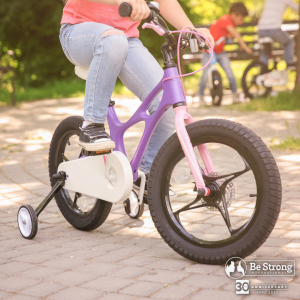
Building a healthy parent-teen relationship is a lot like when you taught them to ride a bike. You probably did this by holding the bike and running alongside it as they figured out how to find their balance. Then, after a few minutes, as you realized they were ready to ride alone, you let go and watched them pedal away from you.

It was a proud moment. And a scary one. What if they really weren’t ready after all? What if they fell off and got hurt? What if they rode too far, crossed into an intersection, and got hit by a car?

If you’ve prepared them and yourself properly, these concerns won’t be real hazards. For example, you probably didn’t just let your child ride off alone; you ran alongside them, not holding the bike but being close by if they needed you. You were there to grab the bike if they started to cross into the intersection or stop them if their brakes failed or forgot how to use them.

You may find it’s hard to know when to pull away completely; your teen may feel like you don’t trust them if you hover too close. Many adolescents complain that their parents don’t let them be themselves but expect them to conform to a particular image and plan for their lives. Maybe the parents want their child to pursue a specific career or the parents’ choice of college. These plans may even be something the family has agreed on for years, but suddenly the teen has changed their mind.

It’s difficult, but you must accept that your teen is an individual capable of making good decisions about their life can be challenging. Still, you must do it. You can still guide their choices and be there to offer advice. In fact, you may find that the less control you try to exert, the more they will seek your help.
Parent


Resolving Parent-Teen Conflicts

Should you expect your struggles with your teen to last forever – or until they leave home? Sometimes you may feel the conflict will never end, but it is possible to reduce the friction. Most of that responsibility falls on you, of course.

Success begins when you realize that it’s your child’s job to grow up, which means growing away from you. It’s your job to help them achieve independence, the way you once helped them learn to walk and talk; they walked away from you, and they said things you didn’t always like, but you both did your job.

If you find your relationship issues are harder to resolve, you may need professional help. It may be time to seek family counseling, or you may just want to take some parenting classes.

One source of help is Be Strong International’s parenting education program, Raising the B.A.R. Parenting Alliance. Raising the B.A.R. (Budding Adult Relationships) is a free parenting workshop program that helps caregivers learn how to raise happy, healthy children. It offers workshops through The Children’s Trust, which supports community programs improving the lives of children and families.
Raising the B.A.R. parenting workshops cover discipline, self-esteem, social media safety, family involvement, and similar issues. Sessions include the teen-focused Ready to Talk, which analyzes attitudes, perceptions, practices, and the decision-making processes of both parents and teens about sexual activity.

Even with professional help, you’re bound to feel some stress from the changes in your parent-child relationship. But, you’ll find it’s worth going through. In the end, you may find your connection will be stronger and more rewarding. There’s nothing like sharing time with your adult children, who’ve become strong, independent people because you let them find their way.

Once you understand how normal it is for your teen to test you and even reject you, you can relax and enjoy watching them grow toward adulthood. (Yes, there will be some enjoyable moments.) Your adolescent will probably survive the teen years and turn out just fine – and so will you.

Healthy Relationship Tips for Parents and Teens

Try these five ways to strengthen your relationship with your teen:

Give them some space.

Your teen wants and needs to spend time apart from you and the family, building friendships and developing their sense of self. And face it: You just aren’t cool. So treat them like the adult they’re becoming and show them you trust them to act apart from you. Just stay aware of who they’re hanging out with and what they’re doing, because they’re bound to make some mistakes.

Understand that your relationship has probably changed.

Part of growing up is breaking away from old relationships. Remember when you used to call your teen by a funny nickname and all the good-natured teasing you used to do with each other? Well, that’s over – or soon will be. Respect the fact that your pre-teen is now a full-fledged teenager and probably doesn’t go for all that silly stuff anymore. Be especially aware that yesterday’s harmless teasing could be today’s humiliating insult for a sensitive teen.

Keep spending time together.

Your teen is still part of your family, and, believe it or not, they do want to spend time with you. It makes them feel more secure, knowing their family cares about them. It also gives them a safe space to relax and not worry about having to show how cool they are. Sharing meals, going on family vacations and outings, or watching TV together can strengthen your bonds.

Show interest in what they’re doing.

Ask them about school or work, sports if they’re into that, or hobbies they’re pursuing. Make sure you’re expressing genuine interest and engaging with them authentically; otherwise, your questions will seem like an interrogation. They’ll wonder why you suddenly care what they’re doing. If they still don’t want to talk, despite your sincere approach, back off until they’re ready.

Stop talking and just listen.

Be open to your teen talking to you about what’s on their mind or just chatting about the day’s events. Let them lead the conversation. If they come to you with a problem, don’t jump in with a solution or assume they’re looking for one. Instead, respond empathetically, showing them you understand their situation. Even if they ask for an answer, try to guide them to find it themselves; that’s what they’re really asking for.

To see our upcoming events click here.

For more information about our programs click here.


Is your middle schooler looking for something fun to do after school? Are you looking for an activity to help them learn valuable skills and build positive relationships with other kids? Then, sign them up for the Be Strong Intl. After School Club – they’ll get both benefits! 

The Be Strong Intl. After School Club is a unique enrichment program that guides middle school youth’s social, emotional and academic growth, empowering them to be socially, physically, emotionally and mentally healthy.

And it’s free!

Join the Be Strong Intl. After School Club

From enrichment classes like cooking and photography to special activities like field trips, our club gives middle schoolers the fun kind of learning that starts when the regular school day ends. Kids also get academic help and join interactive groups that encourage social and emotional learning. Sessions are held on Zoom.

There’s something for parents and other caregivers, too. They can enjoy engagement events with their children and take parenting classes. Be Strong Intl. can also link them to other agencies providing family services they might need. 

Be Strong Intl. Q&A

Here are some questions we’re often asked about the program. You can also visit our After School Club page and download an informative flyer. 

How does the After School Club help kids?

Be Strong Intl. After School Club was designed to develop healthy, well-rounded individuals by helping kids build the social, academic and life skills they need for success. It helps them work on skills like self-awareness and self-management of thoughts and emotions; empathy toward people of diverse backgrounds and cultures); establishing and maintaining healthy relationships; and responsible decision-making.

What happens at the sessions?

Our virtual program schedule varies, but all sessions begin with a well-being check-in. Then, students are  given academic support from certified teachers and join an interactive social-emotional learning activity with other kids in the program. On two days a week, the afternoon includes an interactive enrichment activity such as cooking or photography.

Do the kids in After School do better in school?

Yes, students in after-school programming generally do better in school. The program gives them a place where they feel safe learning and have fun with friends. In addition, all students are engaged socially, emotionally and academically, so they’re mentally refreshed and ready to tackle the academic responsibilities before them. Not to mention, we have certified teachers providing the educational assistance.

What might they be doing if they weren’t coming to After School?

We have found that many students who do not participate in after-school programs are more likely to spend most of their time isolated. They’re more likely to spend their time over-indulging in social media, TV and video games or becoming involved in unhealthy risky behaviors.

Why is it important for kids to attend programs like this?

The struggles of today’s middle school students are unlike any faced before. Although many other programs encourage youth to get involved with sports and other activities, they often are inaccessible during this current pandemic. Furthermore, they may not provide students with additional support like social-emotional learning skills and academic support. 

We have found that many students are bombarded with the pressure to disengage from healthy social interactions and spend most of their free time on electronic devices. Unfortunately, this can encourage them to become isolated, gravitate to unhealthy friendships or get involved in risky behaviors that can compromise their future. 

Programs like ours aim to support students in their journey toward future success by providing them with necessary social-emotional learning skills, academic assistance and youth enrichment opportunities. Otherwise, students can be left feeling unmotivated, uncared for, alone and hopeless during a critical period of their life.

After School Club Success Stories

We have a seventh-grade student who has been in our program for two years. She often says Be Strong Intl. After School Club means a lot to her because she does not really have many friends, but Be Strong Intl. always feels like family to her.

Another seventh-grader shared this story about his experiences in the program: 

Before I was introduced to Be Strong Intl., I was so unmotivated, very sad and just not being the best me that I could be. I was in a horrible mental state, constant stress and worry. Always had to stress about one thing or another. I felt so uncomfortable in my own skin. I used to look in my mirror and think, if this was the person I became, how did I go from a happy person to this? I was overall not in the best place, but one day my close friend Tedria was talking to me about this after-school program. At this point, I was desperate, so I decided to join the meeting and check it out. 

I was surprised to see how welcomed and loved I was. I was so surprised to see these people who I’ve never met before were so understanding and willing to put their time and effort into making me and others feel better about themselves. The way that these people just accepted me into their group so quickly because they saw something in me when I didn’t even see it was amazing. The love, support and joy they brought to my life were impeccable. So, I continued to go every week on Tuesdays and Thursdays, and slowly my life started to turn around. I  finally had a motivation to get up in the morning and do something with my life, finally something to look forward to. 

This support and love they showed me in my time of darkness really was heaven-sent. I thought I was never gonna get out of this cycle of sadness and darkness. Be Strong Intl. proved me wrong. They showed me so much affection and support that was so life-changing and fascinating. They gave me the motivation to do better in school, they gave me the motivation to love and appreciate myself and what I had, they taught me how to cherish and respect my peers and myself. They were the guiding light in the blank darkness. Words can’t explain how they truly impacted me.

 My life is finally back on track, and so many opportunities are opening and showing themselves. I owe it all to Be Strong Intl.. They were my true saviors.

Be Strong Intl. After School Club Activities

  • Arts/Photography – A professional photographer teaches photography techniques and how to bridge the art form with others, such as drawing and painting.
  • Cooking Classes – A professional chef teaches students how to create various recipes using everyday and/or specialized ingredients.
  • Field Trips – Live and/or virtual excursions take place on select teacher planning days. Space is limited, and parents must give consent.
  • Social/Emotional Learning Activities – Students learn to recognize and understand their feelings, feel empathy, make decisions and build and maintain healthy relationships.

Be Strong Intl. provides free supplies for all activities. 

Kids: Want Some Fun After School?

Join other middle-schoolers for fun, FREE activities on Zoom! You can look forward to:

  • Arts/photography classes
  • Cooking classes
  • Learning activities
  • And more!

​Register now and tell your friends that you joined!

Be Strong Intl. Tutoring

Are your kids struggling during the pandemic to keep up with school?

We may have just the solution!

The Be Strong Intl. After School Club now offers tutoring for middle school students. The services are free, but space is limited. Please note:

  • Students must be enrolled in middle school to participate.
  • Parents/caregivers must submit a consent form.
  • During the COVID-19 pandemic, Be Strong Intl. After School Club is operating online only.

​For more information, contact:

Jasmine Lang – jasmine@bestrongintl.org

Vasti Thomas – vasti@bestrongintl.org

Or call 305-969-7829, ext. 109.